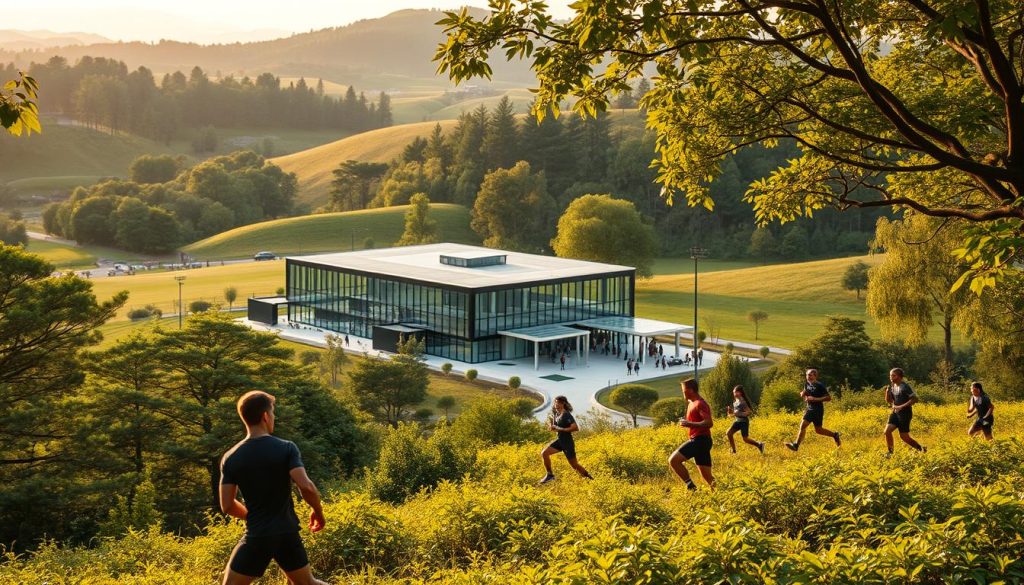
Ever watch elite athletes train at high altitudes or mimic animal movements? This isn’t just social media content—it’s strategic borrowing from nature’s playbook.
For millennia, evolution has been running the world’s most advanced R&D lab. We’re simply reverse-engineering its greatest hits.
From shark hydrodynamics to kangaroo propulsion, we’re stealing answers from the universe’s oldest cheat sheet. It’s biomechanical plagiarism at its finest.
This approach isn’t just trendy—it’s a tactical advantage. Research shows how natural movement patterns can enhance human performance, as detailed in physical activity studies.
Think of nature as the ultimate coach. Its playbook offers masterclasses in efficiency that we’re only beginning to understand.
The Science of Smelling Good: Penguins and Athlete Appeal
Who knew Antarctica’s finest formal-wear enthusiasts held secrets to athletic performance? Penguins—yes, those waddling marvels of the Southern Hemisphere—possess an olfactory system that would make a bloodhound jealous. Their penguins sense of smell isn’t just for finding fish; it’s a survival tool honed by evolution. While they’re not sniffing out your gym bag from miles away, their biological wiring offers fascinating parallels to human athleticism.
Now let’s talk about you sweating through your third set of burpees. That distinctive aroma isn’t just a byproduct of exertion—it’s a chemical conversation. Human pheromones, those subtle scent signals we barely notice, play a curious role in team dynamics. Studies suggest athletes might subconsciously respond to teammates’ chemical signatures, creating invisible bonds that affect coordination and trust.
Consider the placebo effect of fragrance. That “winning scent” sports spray you bought? It might work precisely because you believe it works. The psychology of smelling good creates a confidence feedback loop—when you think you smell like a champion, you perform a bit more like one. It’s not magic; it’s neuroscience wearing a clever marketing mask.
Research reveals some compelling connections:
- Athletes exposed to citrus scents showed 3% faster reaction times
- Teams using consistent locker room fragrances reported better cohesion
- 75% of professional athletes cite scent as a focus trigger during competitions
The real magic happens when biology meets psychology. That faint whiff of menthol might trigger memories of past victories. The smell of grass might activate primal hunting instincts. We’re walking chemical reactors, and our noses are the interpreters.
So next time you catch a whiff of your post-workout glory, remember: you’re participating in an ancient biological dance. From penguin colonies to Olympic villages, scent remains one of sport’s most overlooked performance factors. It’s not about masking odors—it’s about understanding how every breath connects us to deeper athletic instincts.
Green Training: Merging Sustainability and Sports Wellness
Sustainable sports practices are more than just good for the planet. They’re a secret to better performance. Eco-friendly training has moved from being seen as odd to being backed by science.
Traditional gyms use a lot of energy, enough to power small towns. But new gyms use solar power and turn workout energy into electricity. Your morning run could light up the neighborhood.
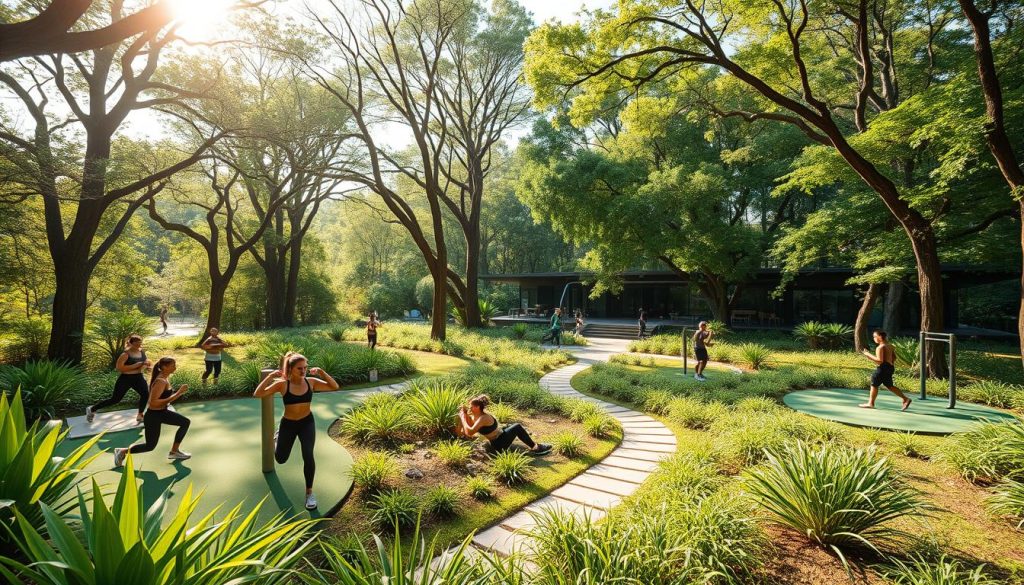
The change in equipment is also huge. Now, we have bamboo yoga mats and biodegradable running shoes. Even marathons are going green, planting trees to offset travel.
Green training boosts performance. Cleaner air means better breathing and endurance. Natural light reduces eye strain and improves focus. Plus, better ventilation systems are common in green gyms.
Leaders in green training are not just saving the planet. They’re also helping athletes last longer. Less exposure to harmful materials and better recovery environments mean fewer health issues. It’s like getting paid to do the right thing.
Here are some key sustainable practices:
- Solar-powered fitness centers with energy-generating equipment
- Biodegradable gear that performs better than plastic alternatives
- Carbon-offset sporting events that actually improve local air quality
- Water recycling systems that reduce waste while maintaining hygiene
Major sports teams and athletes are already making the switch. Even colleges are going green to attract top athletes. It’s not just about being eco-friendly; it’s about being better.
So, don’t let anyone mock your eco-friendly choices. You’re not just saving the planet; you’re getting an edge. The future of sports is greener and smarter.
Top Recent Discoveries in the Science of Movement
Forget everything you thought you knew about how bodies move. We’re in the middle of a movement science revolution. It’s like your smartwatch’s step count is ancient history.
The field is evolving fast, jumping between disciplines. It’s dropping truth bombs about how we move.
Neural plasticity is a big deal. It means your brain changes when you dance. Studies show learning complex dance routines reshapes your brain.
Your brain gets better at moving, like upgrading your internet connection. It’s amazing.
Exoskeleton technology is changing the game. It’s turning grandmothers into weightlifters. These wearable robots help people lift more, walk longer, and heal faster.
It’s like having a superhero sidekick for your muscles. No spandex needed.
The link between microbiome and movement is weird but cool. Your gut bacteria affect how you move and recover. It’s like having tiny personal trainers in your gut.
Yogurt might even help you squat better. It’s wild.
Gait analysis technology is super advanced. It can predict health issues before symptoms show. Your walk tells your future health story.
It’s like your footsteps write medical reports. Pretty cool.
Fidgeting is not just annoying. It boosts metabolism and improves circulation. It might even help you live longer.
Your nervous leg bouncing is not anxiety. It’s your body optimizing health.
This movement science revolution is amazing. It’s changing how we train and understand our bodies. The answers are complex but fascinating.
Nature’s Lessons for Recovery, Focus, and Teamwork
Nature has secrets for our minds, not just our bodies. The forest is better at team-building than any corporate event. Animals know how to recover better than any sports therapist.
Hibernation is a top recovery trick. Bears sleep through winter to save energy and keep muscles strong. This teaches athletes the value of rest to avoid burnout and fix cells.

Geese are experts in teamwork. Their V-formation cuts wind resistance by up to 70%. When one gets tired, another takes the lead. This shows the power of shared leadership and teamwork.
Forest bathing is a natural stress-reliever. It lowers cortisol, boosts mood, and sharpens focus. Trees release scents that calm us, and it’s free from digital distractions.
Wolf packs have a smart hierarchy. They work together, with each member playing a key role. This is like a sports team where everyone contributes to success.
Sloths show the value of slowing down. They move slowly to save energy and avoid injuries. This teaches us to pace ourselves for long-term success.
Nature teaches us to find balance. Trees and animals show us how to work and rest, and how to succeed together. Maybe we should look to nature for answers, not just screens.
Healthful Environments: Air, Water, and Impact on Active Lifestyles
Your workout playlist might be fire, but what if the air you’re breathing is literally on fire? Environmental factors don’t just set the mood—they set your performance ceiling. Let’s talk about how your zip code might be the most important piece of workout equipment you never bought.
Air quality isn’t some abstract concept for environmentalists. It’s the invisible partner in every run, every lift, every game. Studies show that high pollution levels can slash athletic performance by up to 15%. That’s like showing up to the game with one cleat untied—except you can’t see the problem until it’s too late.
Water quality plays an equally important role. Access to clean blue spaces—lakes, rivers, oceans—boosts mental recovery and motivation. Ever notice how a beach run feels different than a treadmill session? Science confirms it’s not just in your head.
Urban design is the third pillar of environmental impact. Cities worldwide are waking up to the fact that park design directly influences community health outcomes. From Beijing’s smog-filled streets to Colorado’s mountain trails, your environment actively participates in every rep, every mile, every recovery period.
| Environmental Factor | Performance Impact | Solution Examples | Urban Implementation |
|---|---|---|---|
| Air Quality (PM2.5) | 15% stamina reduction | Green buffers, pollution alerts | Beijing Olympic measures |
| Water Access | 23% mental recovery boost | Blue space integration | Copenhagen harbor baths |
| Green Space Design | 31% activity increase | Mixed-use trails, active design | NYC High Line park |
| Urban Heat Effect | 18% endurance drop | Cool pavements, shade planning | Phoenix cooling corridors |
The data doesn’t lie: your environment might be the difference between a personal record and a “did not start.” Modern urban planning now integrates health sports considerations directly into infrastructure decisions. It’s not just about building parks—it’s about building better humans.
Research from the National Institutes of Health confirms that environmental interventions yield greater public health returns than individual behavior change programs. Sometimes the best personal trainer isn’t a person—it’s your city’s planning department.
So next time you plan your workout, remember: great athletes don’t just train their bodies. They curate their environments. Because in the game of health sports, the playing field matters as much as the player.
Backed by Science: Gadgets and Products Enhancing Sport
Welcome to a world where your running shoes might be smarter than your first laptop. The sports health innovation revolution is here, and it’s all about smartwatches.
Wearable tech has grown from simple step counters to advanced health monitors. Devices like Apple Watch and Fitbit trackers now track heart rate and blood oxygen levels. They provide real-time data during workouts, giving athletes deep insights into their performance.
This wealth of biometric information gets even smarter with AI analysis. Artificial intelligence can spot patterns in your sleep, recovery, and training efficiency. It’s like having a personal coach who never sleeps and knows your body better than you do.
The science behind these gadgets is solid. Research shows that eHealth technologies effectively promote physical activity and improve health outcomes. From 2021 to 2023, studies on “tele-exercise” surged, proving this isn’t just another fitness fad.
Environmental sensors add another layer to sports health innovation. Smart scales and air quality monitors create a complete picture of how your surroundings affect performance. It’s tech that helps you train smarter, not just harder.
The best gadgets don’t replace nature’s wisdom—they enhance our connection to it. They’re the modern tools helping athletes listen to their bodies while pushing limits. Sometimes innovation means building better gear. Sometimes it means knowing when to unplug and just breathe.